Cherry Hill contents restoration specialists
Protect the contents portion of your claim
Photograph and inventory damaged items before anything gets discarded.
Cherry Hill contents restoration specialists
Photograph and inventory damaged items before anything gets discarded.
After a fire, the building damage gets attention first, but personal property can represent a large part of the loss. Clothing, furniture, electronics, rugs, photographs, toys, tools, and documents can all absorb smoke even when they sit several rooms from the flame.
Contents restoration starts with inventory. Items should be photographed, categorized, and marked for cleaning, storage, disposal, or replacement before they leave the house. That matters in New Jersey replacement cost claims because the carrier needs a record of what existed and what condition it was in after the fire.
Cherry Hill homes often have basements, attics, attached garages, and dense storage areas where smoke can reach boxes and seasonal items. A contractor should not treat contents as an afterthought. The pack-out plan needs to separate salvageable items from total losses and keep contaminated items away from cleaned rooms.
Some contents can be cleaned with textile washing, ultrasonic cleaning, ozone treatment, or hand cleaning. Porous pieces with heavy protein smoke or heat damage may need replacement rather than repeated cleaning attempts.
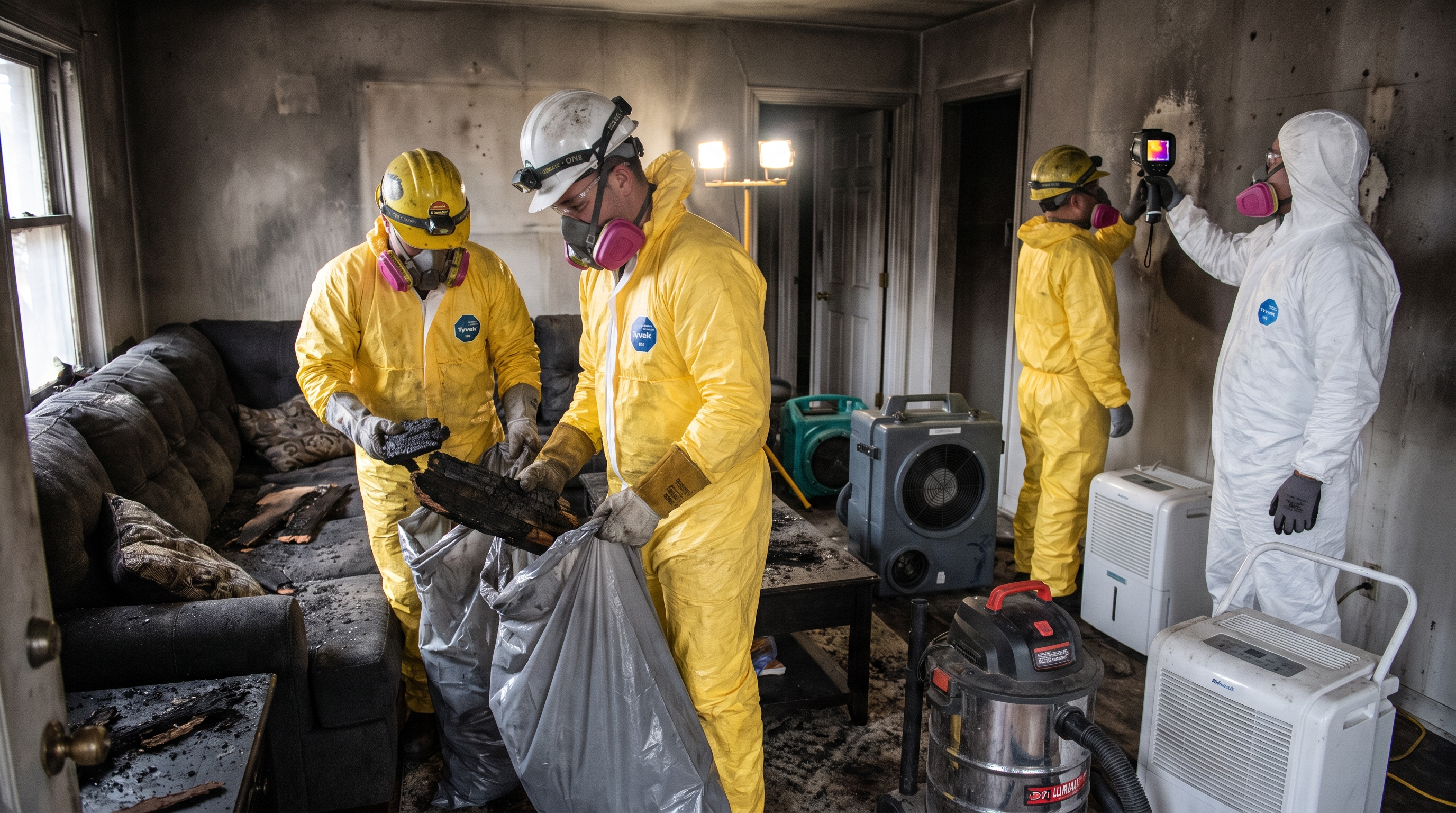
Contents work tracks personal property from the first inventory through cleaning, storage, and claim documentation.
Items are photographed and grouped by room, damage type, and expected outcome. This creates a record for the personal property portion of the claim.
Textiles, hard goods, furniture, electronics, and documents may need different cleaning methods. The contractor should explain which items are worth restoring and which items should be listed for replacement.
Contaminated contents can be packed out and stored while the structure is cleaned and repaired. Cleaned items should not return until the building odor and soot work is complete.
The contractor match puts documentation before disposal. That keeps the contents claim from turning into a memory exercise weeks after the fire.
Cleaning every item is not the goal. The goal is a fair decision based on smoke type, item material, heat exposure, and policy coverage.

Start the contents inventory before cleanup crews remove damaged items.
Free — no obligations
Items are photographed and listed by room, including belongings that may look clean but carry smoke odor.
The contractor identifies which contents can be cleaned, stored, repaired, or listed as replacement losses.
Selected items are packed, labeled, cleaned, deodorized, or stored outside the contaminated area.
Cleaned contents return after the structure is ready, and non-restorable items remain documented for claim review.