Serving Haddonfield
Smoke & Soot Cleanup in Haddonfield
Call us for a free smoke & soot cleanup estimate
Serving Haddonfield
Call us for a free smoke & soot cleanup estimate
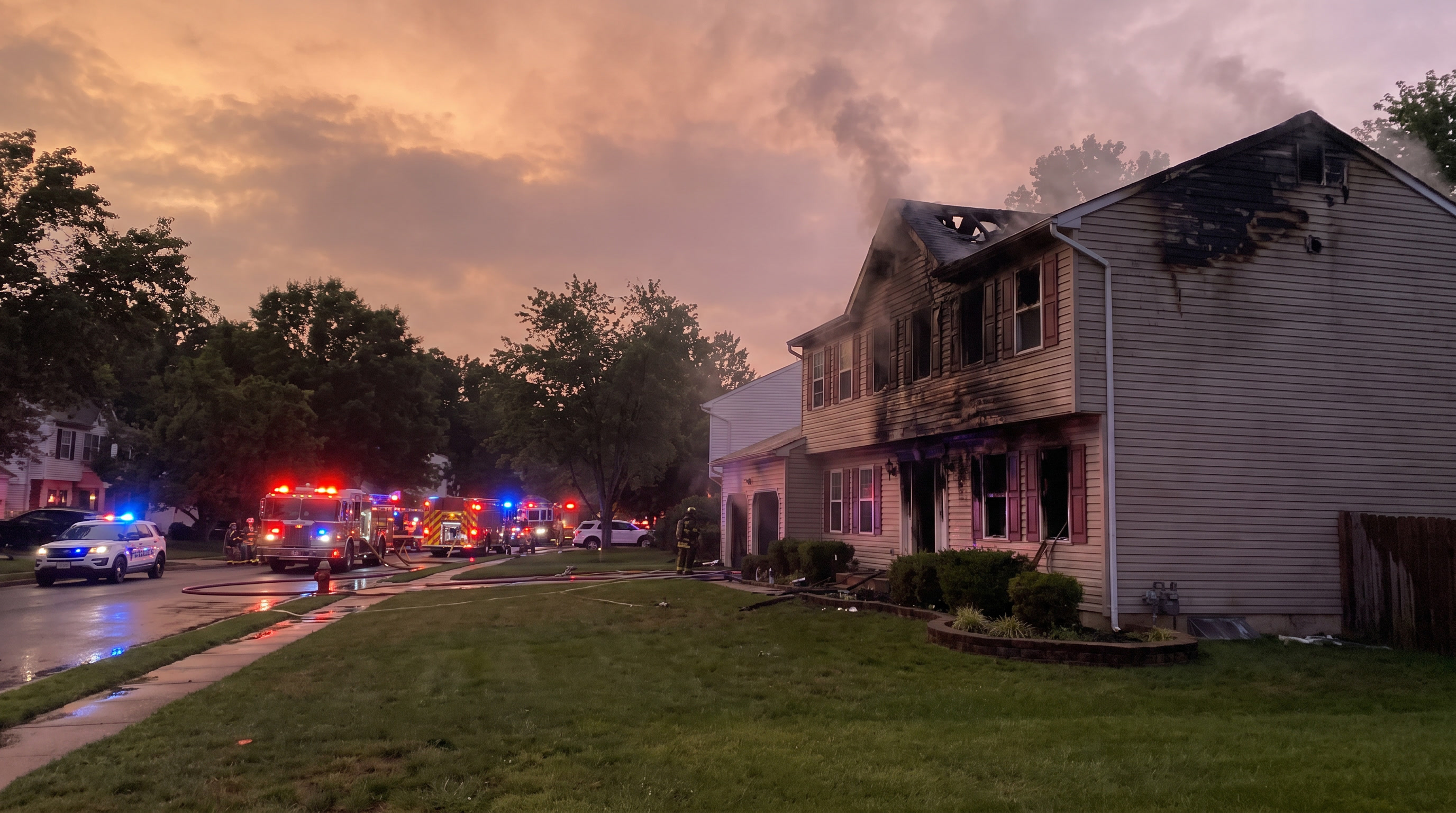
A small fire can leave a large smoke problem. In a Cherry Hill split-level or colonial, soot can move up stairs, through ceiling returns, into bedrooms, and across painted walls that never saw open flame. Brick fireplaces, masonry walls, and older plaster can hold residue in pores and seams.
Soot cleanup starts by identifying the residue. Dry soot from fast burning materials behaves one way. Greasy soot from plastics, wiring, and kitchen materials behaves another. Protein smoke from cooking fires can leave little visible staining but a stubborn odor on cabinets, trim, and appliances.
The wrong cleaning method can smear residue into paint, etch metal, stain plastics, or push odor deeper into porous materials. A restoration contractor may use HEPA vacuuming, chemical sponges, detergent cleaning, duct inspection, sealers, and selective removal depending on the surface and smoke type.
Cherry Hill smoke claims often include HVAC review because many systems are older and can spread odor every time the blower runs. Cleaning the visible walls while leaving soot in the return side of the system is a common reason odor comes back.
Haddonfield has some of the older housing stock in the Cherry Hill service area, with plaster walls, masonry details, older trim, basements, and electrical systems that may have been updated in stages. After a fire, that history matters because smoke and water can move through materials that do not behave like modern drywall.
A contractor should check for soot in plaster cracks, odor in woodwork, smoke absorption in masonry, and water below the fire floor. Pre-1960 sections may also require a closer electrical review if old wiring remains behind finished walls.
Cherry Hill Fire Damage Restoration connects Haddonfield homeowners with restoration contractors who can document delicate finishes, assess hidden smoke, and prepare a repair scope that does not treat a historic or older home like a standard newer build.
The contractor match avoids one-method cleanup. Painted drywall, brick mortar, laminate cabinets, and hardwood trim all respond to soot in different ways.
Cleanup includes the hidden paths where smoke moved along with the dark marks on walls. That gives the odor work a better starting point.
Ask for a soot inspection before residue gets wiped into the surface.
Free — no obligations